
Top Tips for Anxiety Management in Older Loved Ones
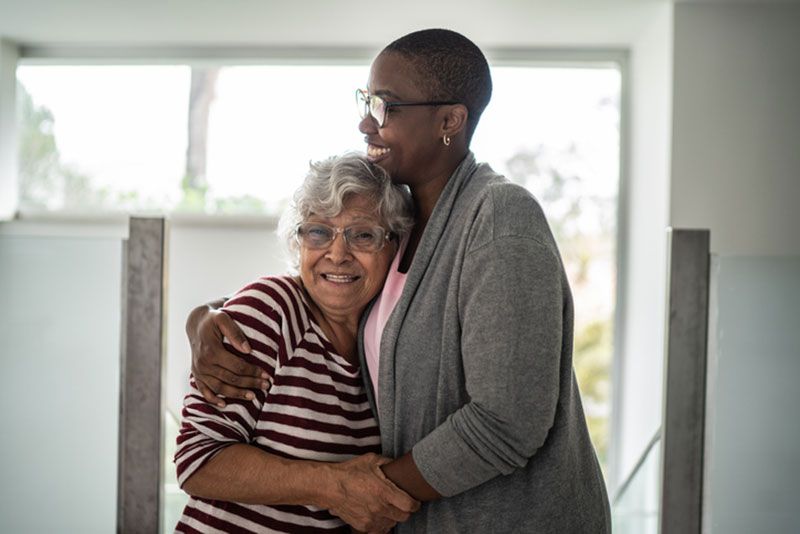
Aging is accompanied by a set of common changes. Shifts in eating and sleeping habits, memory, and interests in certain activities are often attributed to the natural process of growing older. However, these very changes can sometimes be indicative of a frequently overlooked and untreated condition in older adults: anxiety. Our care experts offer the […]
Essential Techniques for Visiting a Family Member With Dementia

A diagnosis of dementia may also mean a diagnosis for loneliness. Though remaining social remains critically important for people with dementia, many different factors can cause an increase in isolation, such as: The need to discontinue driving Discomfort on the part of friends and family who are unsure what to say (or not to say) […]
Alzheimer’s and Loss of Hearing: Is There a Link?
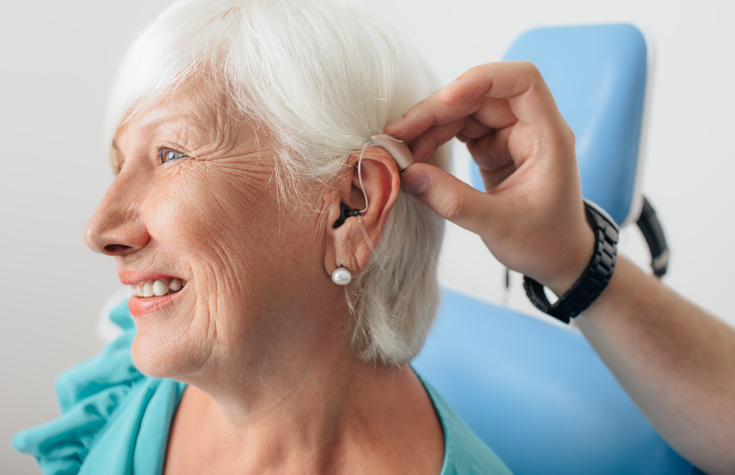
When checking in on Mom, you find the TV is blaring, and she keeps asking you to repeat what you’ve just said, or even to speak up because she thinks you’re mumbling. Some degree of hearing loss is definitely common in older individuals, and of course requires staying on top of through regular hearing tests. […]
Understanding 8 Possible Alzheimer’s Behaviors
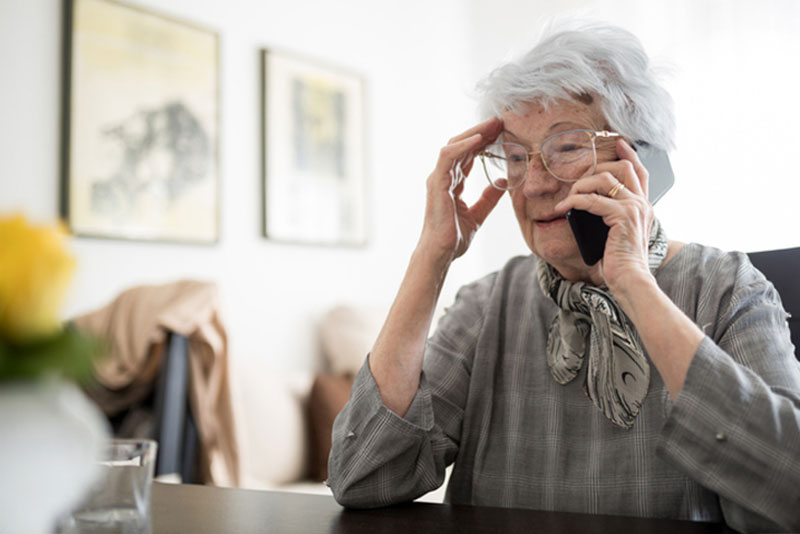
You can’t quite put your finger on it, but you have started to notice some changes in Mom’s behaviors recently. She’s a bit more forgetful than before. She keeps losing her car keys. Often, she repeats herself. Could it be Alzheimer’s disease? Currently, more than 6.5 million people age 65 and older are struggling with […]
Identifying MCI in Older Loved Ones

Going home for the holidays is a fantastic chance to think back on holidays past and make some new memories. But it’s also an occasion when family members typically discover changes to their senior loved ones – changes that could be too minor to detect during a phone call or FaceTime, but are glaringly obvious […]
How Home Care Is Helping Stroke Patients Recover

A stroke is a distressing, unexpected experience. The results can vary from minor to life-changing, but one thing is certain: follow-up care is critical. Thankfully, a lot of this care can be provided at home. If you’re caring for someone post-stroke, below are a few of the ways you can help ensure the best possible […]
Explore Home Care for Cognitive Decline

If you’re caring for an older family member, you’re fully aware of the array of feelings involved. On one hand, it’s a huge honor and incredibly worthwhile. Having said that, it is often challenging, draining, and demanding. Add to that the additional issues concerning cognitive decline, and it’s easy to see how family care providers […]
What Is Delirium & How Does It Affect Older Adults?

With its similarities to dementia, delirium can be a complicated problem to understand and manage. Seniors are especially prone to delirium, so our aging care experts have collected the following details that will help you recognize and respond appropriately in the event that you suspect it in somebody you love. What is delirium? Similar to […]
What Is Happening with My Loved One? Hospital Delirium in the Elderly

A hospital stay is never something a senior looks forward to, but at least there is the reassuring fact that the necessary treatment and care are going to be delivered to provide healing. But what occurs when the results are not as expected, and the senior ends up with a new health concern? More and […]
Caring for a Loved One With Early Stage Dementia: Part 1 of 3

Receiving the news that a senior loved one has been diagnosed with Alzheimer’s disease is life-altering. Thinking through the stages of dementia, including the countless different aspects and factors of the disease, both now and in the future, may be overwhelming. In this three-part series over the next few months, we’ll explore the early, middle […]